Wondering why one Fort Lauderdale waterfront home sells quickly while another sits for months? That is the reality of today’s market. If you are buying or selling near the water, you need more than a headline about prices. You need to know how to read inventory, timing, and negotiation signals in the specific part of Fort Lauderdale you care about. Let’s dive in.
Fort Lauderdale Is Not One Waterfront Market
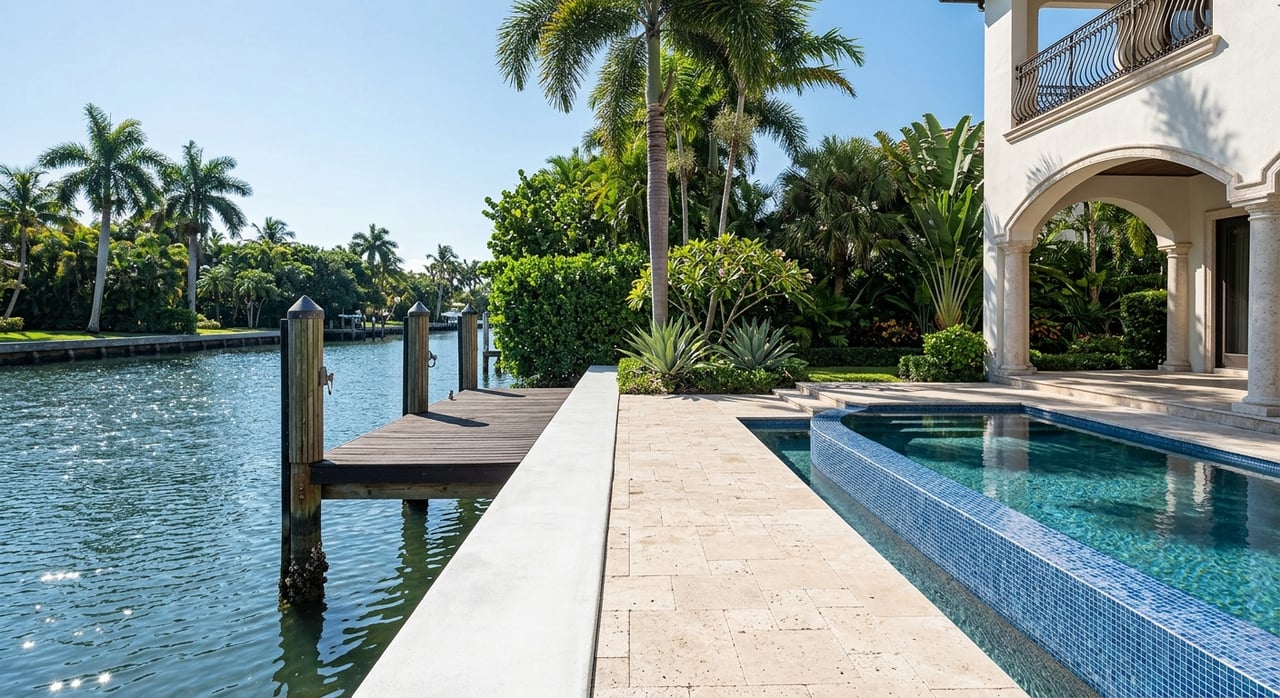
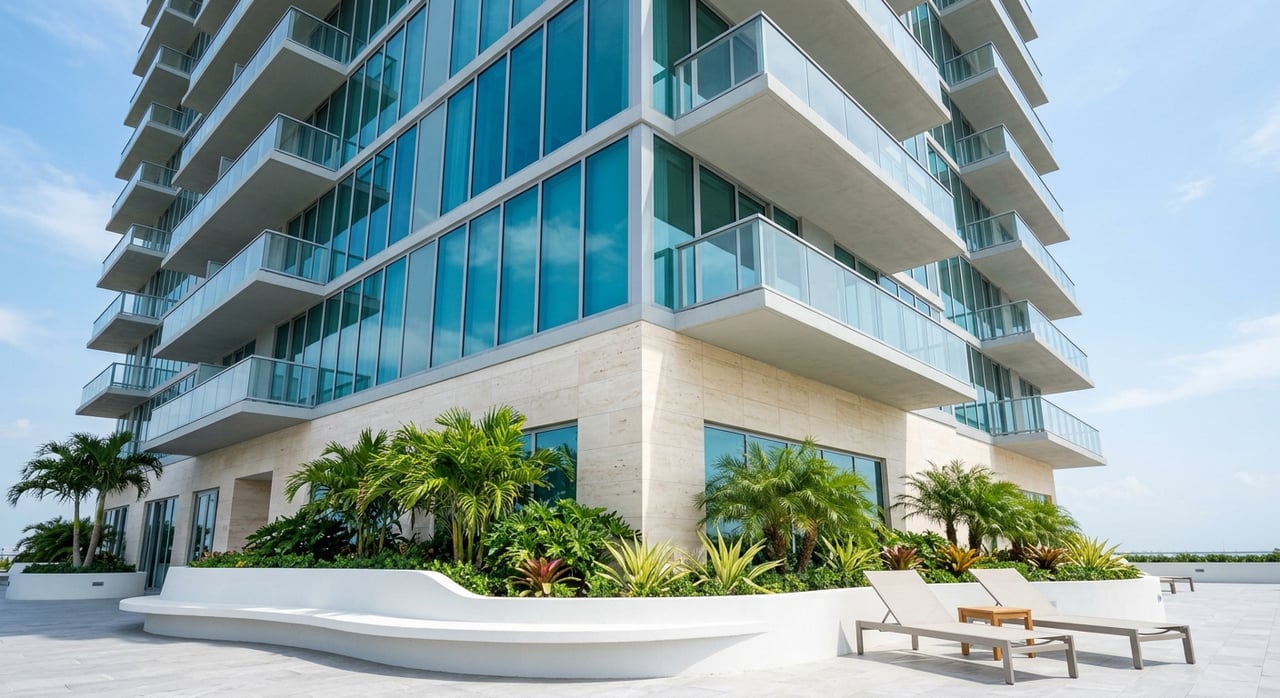
The first thing to understand is that Fort Lauderdale’s waterfront market is segmented, not uniform. A condo in Central Beach, a canal-front home in Coral Ridge, and a luxury property in Harbor Beach can all behave very differently.
At the city level, the overall market is slower and more negotiable than a classic seller’s market. According to Realtor.com’s Fort Lauderdale market overview, there are about 3.9K homes for sale, the median listing price is $599K, homes spend a median of 88 days on market, and the typical sale-to-list ratio is 95%.
That same softer pattern shows up in closed-sale data too. Redfin’s Fort Lauderdale market data and Realtor.com point in the same direction: homes are generally taking longer to sell, and buyers often have room to negotiate. For you, that means strategy matters more than speed alone.
Start With Inventory
When you read the waterfront market, inventory is one of the clearest signals. More inventory usually means more choice for buyers and more competition for sellers.
Fort Lauderdale still has healthy supply. Active listings are down 6.64% year over year, but they are up 72.8% over the last three years, based on local market data from Realtor.com. That tells you today’s market has materially more options than earlier in the cycle.
But inventory is not spread evenly across waterfront and coastal areas. Realtor.com shows 335 active listings in Central Beach, 271 in Galt Mile, 156 in Victoria Park, 150 in North Beach Neighborhood District, 137 in Coral Ridge, 120 in Lauderdale Beach, and 116 in Coral Ridge Country Club Estates. So while the broader coastal market offers choices, each micro-market still has its own pressure points.
Why Micro-Markets Matter
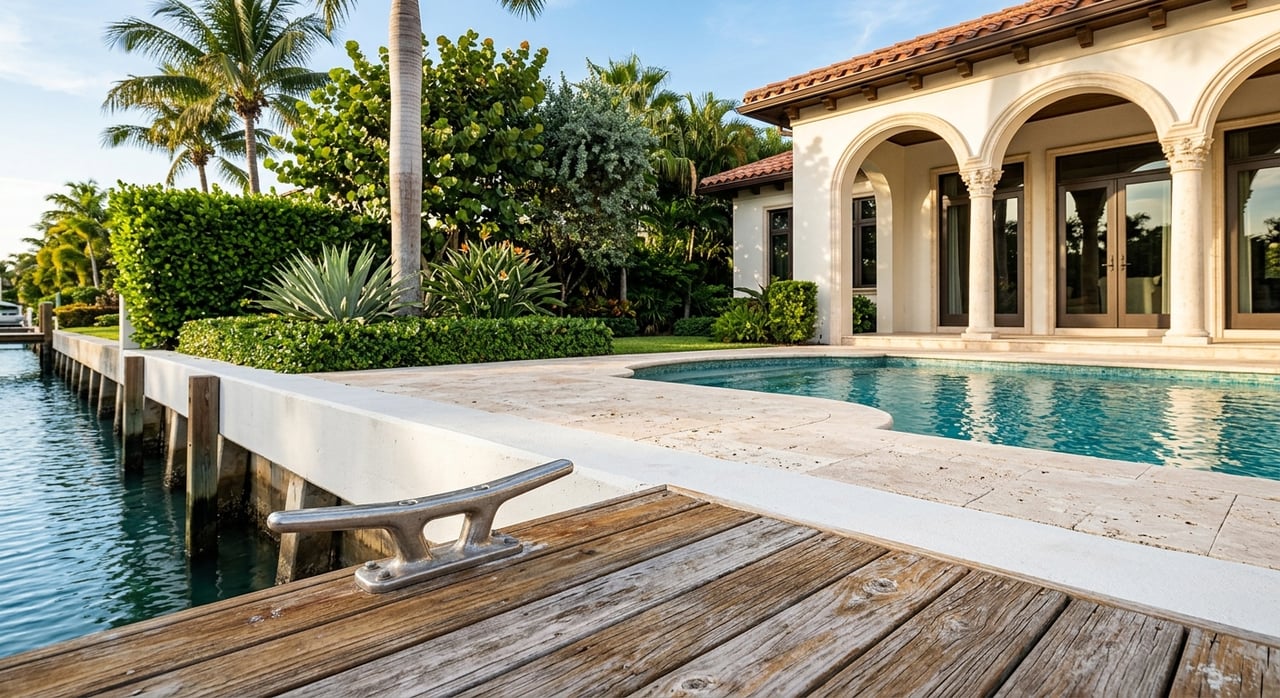
In Fort Lauderdale, two homes near the water can have very different value stories. View lines, dock access, building age, condition, and the number of similar listings all shape buyer demand.
That is why broad citywide numbers only tell part of the story. A seller in a thinner niche may face less direct competition, while a buyer looking at a building or neighborhood with many similar listings may have more leverage.
This is especially true at the high end. In luxury waterfront areas, there may be very few recent sales, so one closing or one major price cut can shift the median quickly. That is why monthly luxury data should be treated as directional, not absolute.
Read Days on Market Closely
If you want to understand negotiating power, look at days on market. In Fort Lauderdale, this number often tells you whether a listing is attracting strong demand or whether buyers may expect concessions.
Citywide, homes are taking time to move. Realtor.com shows a median of 88 days on market, while Redfin reports an average timeline of about 105 days. That is a clear sign this is not a pay-any-price market.
Waterfront-adjacent submarkets show even more contrast. Central Beach has a median listing price of $1M and 110 median days on market. Galt Mile is quicker at 83 days, while North Beach Neighborhood District stretches to 124 days, according to Realtor.com neighborhood data.
Redfin data adds another layer. Central Beach shows a median sale price of $725K, 120 days on market, and a 92.5% sale-to-list ratio, while Lauderdale Beach shows a median sale price of $508K and 153 days on market. For buyers, that can signal room to negotiate. For sellers, it is a reminder that pricing and presentation need to be sharp from day one.
Use Sale-to-List Ratio as a Reality Check
Another key number is the sale-to-list ratio. This tells you how close homes are selling to their asking price.
At the city level, Fort Lauderdale’s 95% sale-to-list ratio means sellers are typically accepting about 5% below asking, according to Realtor.com. Redfin’s data points in a similar direction, showing homes selling around 6% below list.
That matters because asking price is not the same as market value. In a slower market, buyers tend to reward realistic pricing and push back on overreaching. If a home has lingered or had price reductions, your negotiating position may improve.
Luxury submarkets tell the same story, but with wider swings. Redfin’s Las Olas Isles market page shows an average of about 7% below list and 87 days on market, while Harbor Beach is closer to 1% below list and around 54 days to pending on average. Still, individual sales can vary a lot, which is why one standout closing should never define the whole market.
Watch How Price Bands Behave
Not every price point moves the same way near the water. In Fort Lauderdale, the lower coastal and entry-level bands tend to be more liquid than mid-range or luxury inventory.
For example, ZIP code 33308 has a median listing price of $502,500 and 78 median days on market. Galt Mile has a median listing price of $519,000 with 83 days on market, based on Realtor.com local data. These segments still involve negotiation, but turnover is often more consistent.
As prices climb, timing and condition become more important. ZIP code 33304 has a $799,000 median listing price and 99 days on market. Coral Ridge lists at $1.799M, and Redfin shows a $1.725M median sale price with 94 days on market. Lauderdale Beach can require even more patience, with a $724K median listing price and a 153-day median on Redfin.
At the very top of the market, ultra-luxury becomes its own category. Harbor Beach has an $8.5M median sale price, and Las Olas Isles sits at $6.2M, according to Redfin’s Harbor Beach market data. In these ranges, the buyer pool is smaller, data sets are thinner, and pricing precision matters even more.
Compare Fort Lauderdale to Nearby Coastal Markets
You can also read Fort Lauderdale better by comparing it to nearby Broward coastal cities. Buyers often do this naturally when deciding how aggressive to be.
Nearby markets are also soft, but generally less expensive. Pompano Beach has about 1.8K homes for sale, 81 days on market, and a 96% sale-to-list ratio. Deerfield Beach has about 1.2K homes, 76 days, and 96%. Hollywood has about 2.3K homes, 85 days, and 96%, while Hallandale Beach has about 1.3K homes, 92 days, and 96%, according to Realtor.com’s Broward market data.
Because Fort Lauderdale tends to be the highest-priced of that group, buyers may compare it against those alternatives before deciding on an offer. That does not reduce Fort Lauderdale’s appeal, but it does mean sellers are competing in a broader coastal conversation.
What Buyers Should Look For
If you are buying in the Fort Lauderdale waterfront market, the best opportunities often show up in the details rather than the headline numbers.
Look closely for:
- Listings with longer days on market
- Homes with visible price reductions
- Sale-to-list trends below the city average
- Micro-markets with higher active inventory
- Properties where condition or pricing may be out of step with recent closed sales
In a market like this, patience can be an advantage. You may have more room to negotiate on price, timing, or terms, especially when a property has been sitting longer than comparable homes nearby.
What Sellers Should Focus On
If you are selling, the biggest mistake is assuming a waterfront address will do all the work. In this market, buyers are still selective.
That means your launch strategy matters. Pricing sharply at the start is often more effective than coming out high and chasing the market down later. Fort Lauderdale and its coastal submarkets are generally moving in the 80-to-100-plus-day range, so realistic expectations and polished presentation can make a real difference.
It also helps to evaluate your home against its true micro-market. A dock-capable home, an oceanfront condo, and a canal-front luxury listing each need their own comp set and pricing logic. That is where local, neighborhood-level guidance becomes valuable.
The Smart Way to Read the Market
The best way to read the Fort Lauderdale waterfront market is to stop looking for one simple answer. Instead, look at four things together: inventory, days on market, sale-to-list ratio, and the specific price band and micro-market for the property.
That approach gives you a much clearer picture of leverage. It helps buyers avoid overpaying based on a headline, and it helps sellers avoid overpricing based on one impressive sale nearby.
If you want help making sense of Fort Lauderdale’s waterfront micro-markets, Linda DiFabio offers the kind of local, hands-on guidance that can help you price, position, or negotiate with more confidence.
FAQs
How do you read the Fort Lauderdale waterfront market as a buyer?
- Start with inventory, days on market, and sale-to-list ratio in the specific neighborhood or building you are considering, since Fort Lauderdale waterfront is highly segmented.
What does days on market mean in Fort Lauderdale waterfront real estate?
- It shows how long listings are taking to attract a buyer, and higher numbers can suggest more room for negotiation.
Is Fort Lauderdale a buyer’s market or seller’s market right now?
- Current data points to a slower, more negotiable market that leans more buyer-friendly than a fast-paced seller’s market.
Why do Fort Lauderdale waterfront neighborhoods perform differently?
- Pricing and demand vary based on factors like location, view quality, dock access, property condition, and how many similar listings are available.
How should sellers price a Fort Lauderdale waterfront home?
- Sellers should price against recent comparable sales in the home’s exact micro-market and avoid relying too heavily on broad citywide averages or one standout sale.