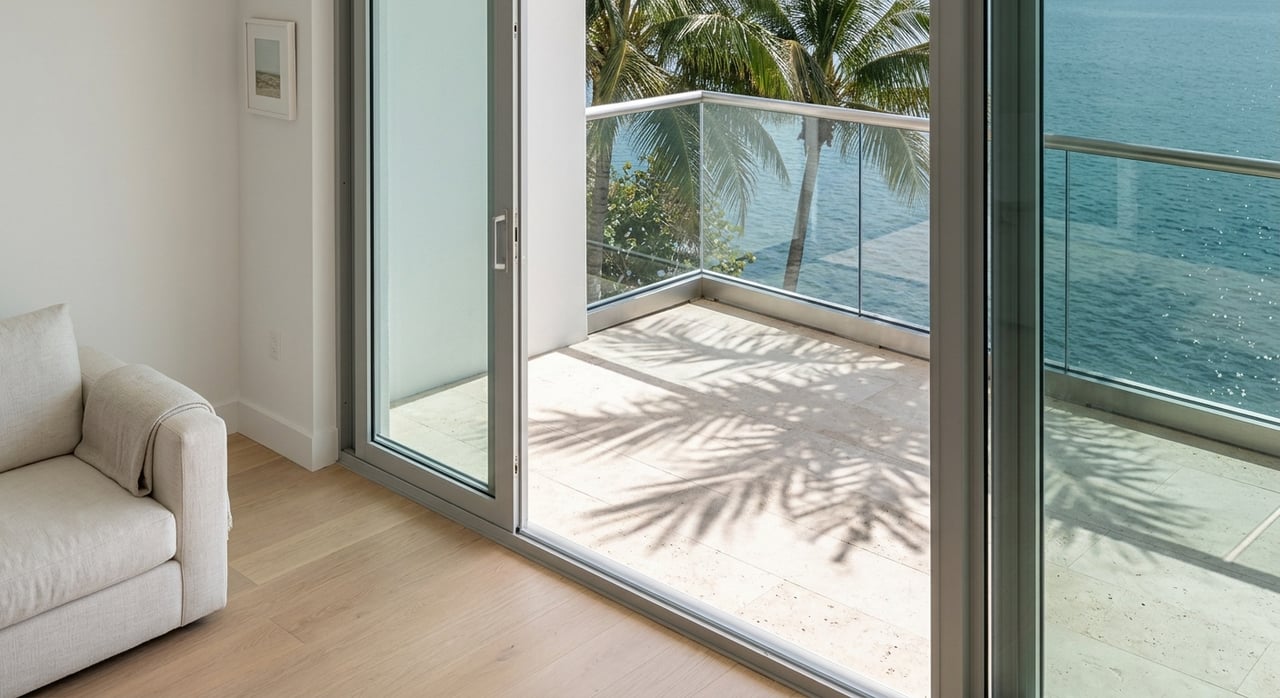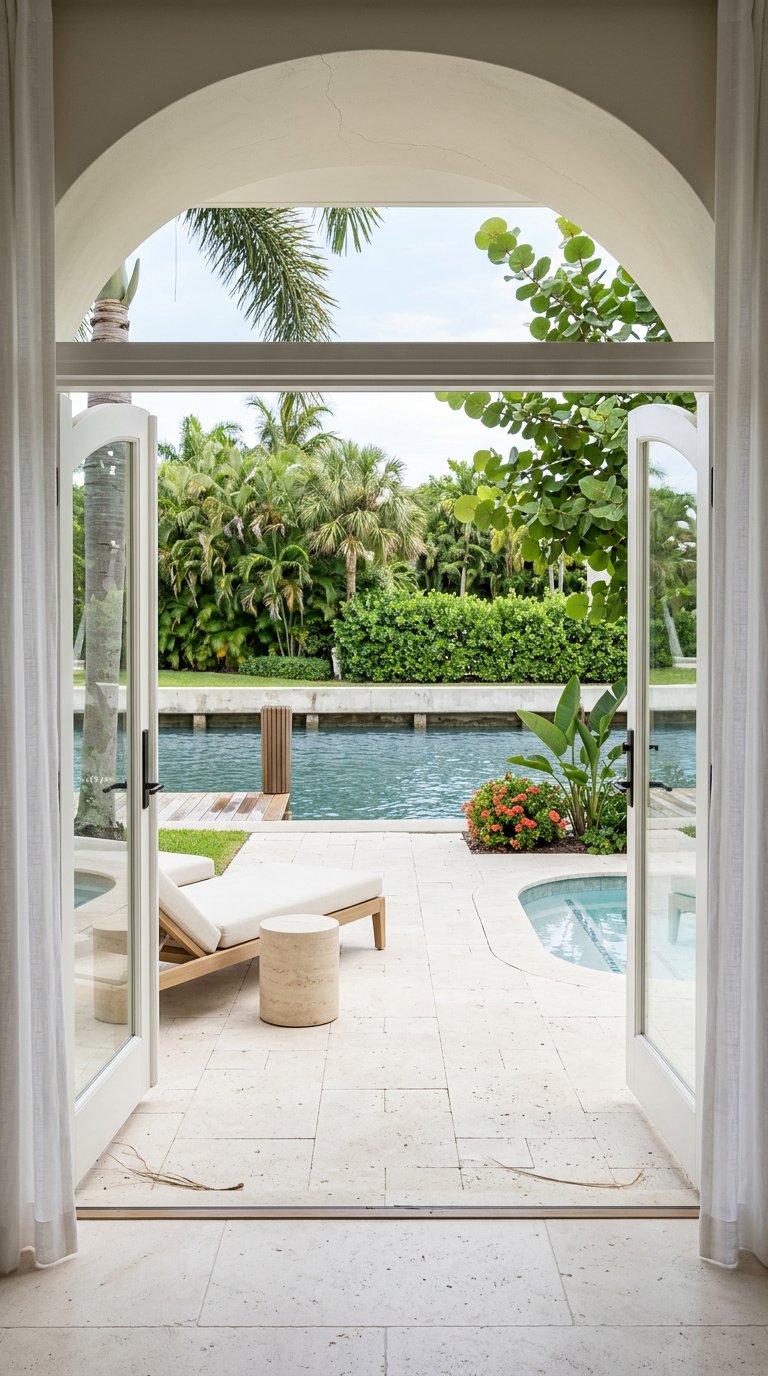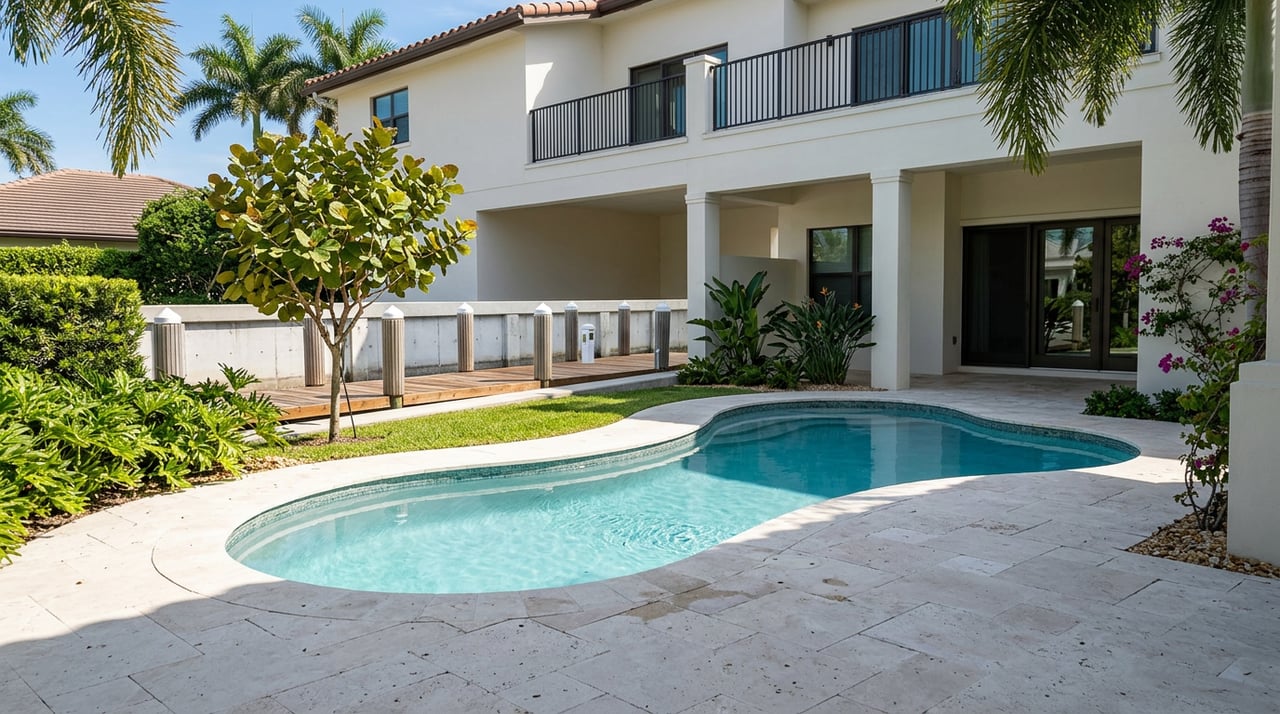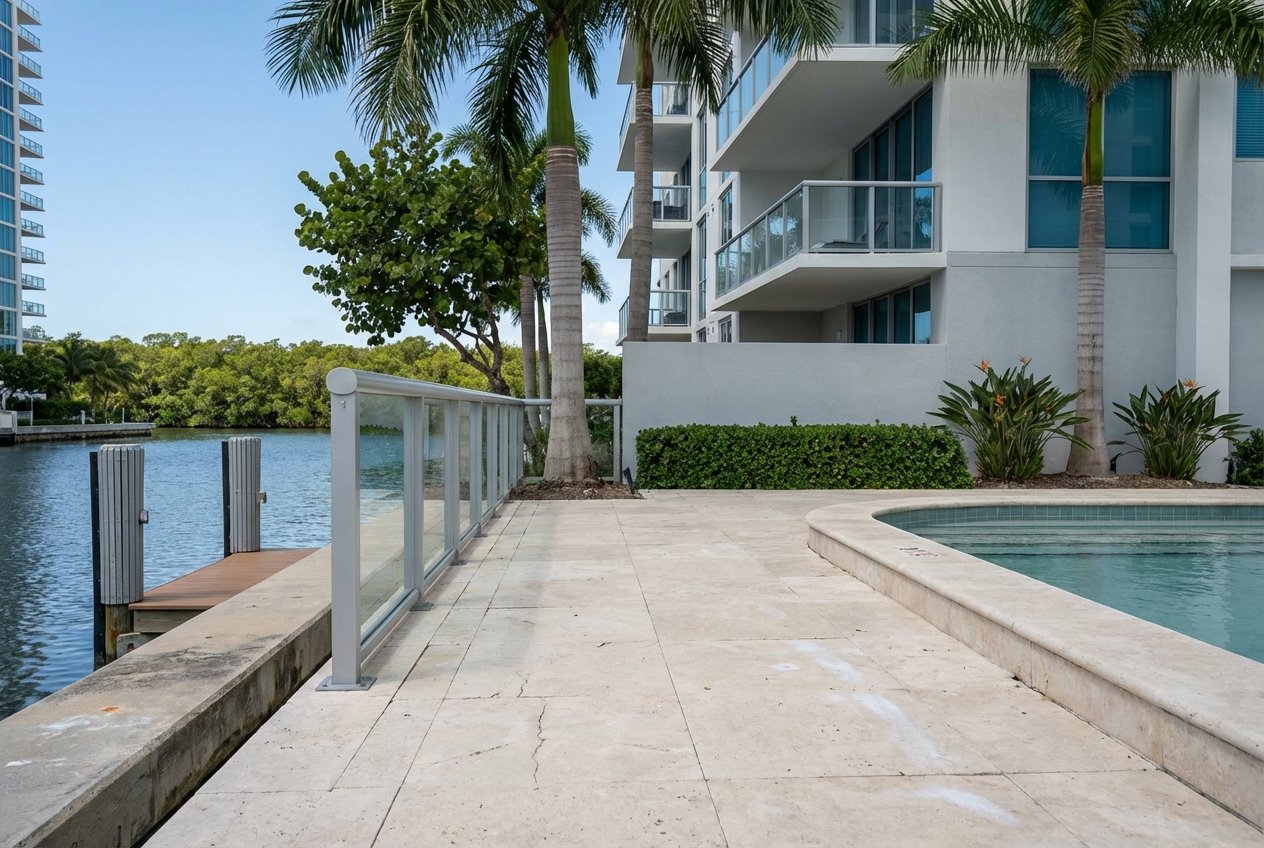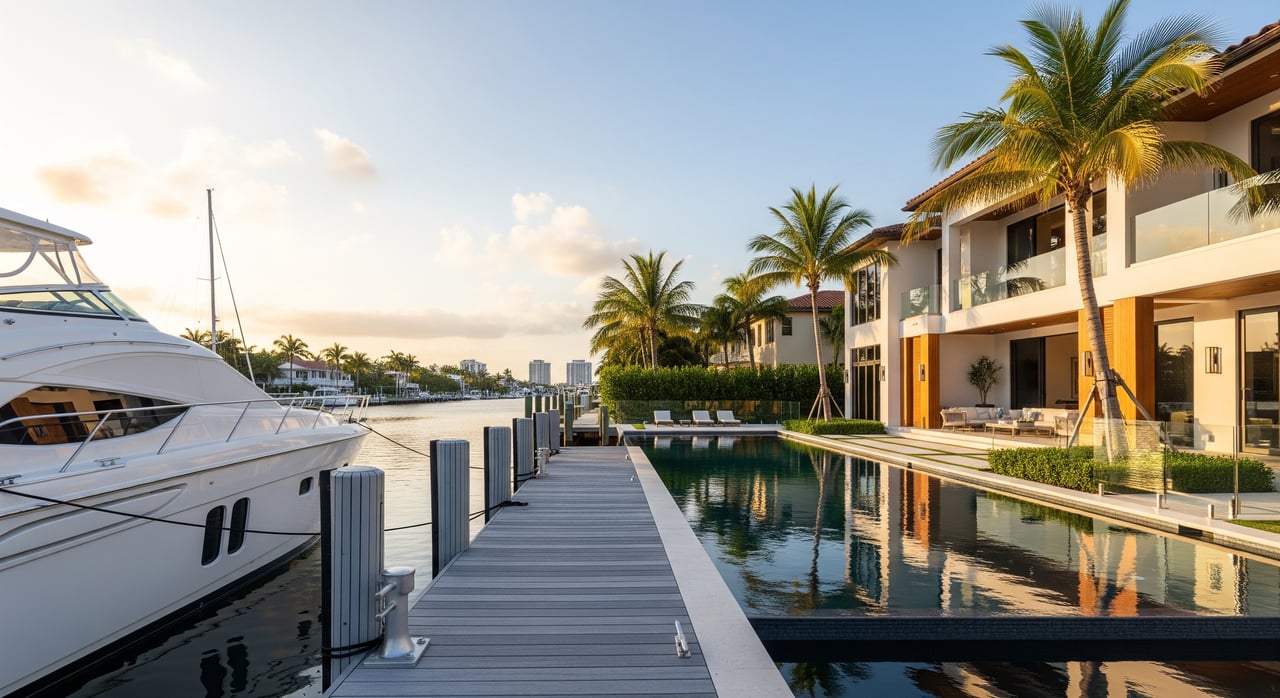
What if your morning coffee came with boat wakes and seabirds instead of traffic noise? If you are drawn to sun, salt air, and the ease of stepping from your patio to the water, Fort Lauderdale’s waterfront can feel like a dream. In this guide, you will see what daily life actually looks like, where people live, how boating and marinas work, and what to know before you buy. Let’s dive in.
What waterfront living looks like
Mornings on the water
You might start with a jog along the beachfront promenade or a quiet walk near the canals. On many blocks, you will see neighbors checking lines at their docks and heading to a marina pickup. Las Olas Boulevard is popular for coffee before work or a midday break.
Daytime and weekends
Boating is a favorite pastime here. Residents paddleboard on calm canals, take day trips on the Intracoastal Waterway, and book charters for fishing or snorkeling. Seasonal events, beach days, and waterfront brunches keep weekends full. The visitor scene is vibrant, and according to Visit Lauderdale, the area is a major tourism hub with higher activity in winter.
Evenings and social rhythm
Sunset cruises and al fresco dinners set the tone after work. The Riverwalk and downtown stretch along the New River host restaurants, galleries, and live music. You can arrive by car, rideshare, or by boat at select spots with dockage.
Neighborhoods and property types
Beachfront condos
The Fort Lauderdale Beach corridor features high-rise condos with direct beach access and walkable dining. If you prefer a lock-and-leave lifestyle with amenities and ocean views, this is a strong fit.
Intracoastal and canal-front homes
Single-family neighborhoods along navigable canals offer private docks, seawalls, and quick access to the Intracoastal. Well-known areas include Rio Vista, Las Olas Isles, Coral Ridge, Sunrise Intracoastal, Venice Isles, Harbor Beach, and pockets along the New River. Homes range from mid-century classics to new construction with deepwater dockage.
Downtown and New River living
Riverfront towers and mixed-use areas near the Riverwalk and Flagler Village blend condo living with a city feel. You are close to cultural events, restaurants, and water taxi stops along the New River.
Nearby and inland options
Inland neighborhoods closer to I-95 can offer more value while keeping you near beach and boating amenities. Many buyers start here to learn the area, then decide whether to move closer to the water.
Boating and marina basics
How people use the water
You will find everything from casual paddle sports to serious yachting. Some homeowners keep boats at their private slips. Others rent slips at marinas or rely on charters for fishing and weekend trips.
Marinas and services
Fort Lauderdale’s marina network supports fueling, pump-out, electricity, maintenance, and repair. Notable nodes include the Bahia Mar area, Las Olas, 17th Street Causeway, and large service centers such as Lauderdale Marine Center. Slip availability varies by season, boat size, and location. Expect different pricing for long-term leases and short transient stays.
Rules, permits, and safety
Waterways are regulated for speed zones and environmental protection, and many docks and seawalls require permits. For current rules and contacts, use the City of Fort Lauderdale as a starting point for local guidance.
Practical buyer guide
Price premiums and what drives them
Waterfront property typically commands a premium compared with similar inland homes. Value hinges on direct ocean access, canal width and depth, dock length, bridge clearance, views, and proximity to the Intracoastal. Deepwater and Intracoastal lots are often scarce, which supports pricing. If you are active in the market, request fresh comps and absorption trends before you offer.
Insurance and ongoing costs
Budget for homeowner’s insurance plus windstorm and flood coverage. Premiums and deductibles can be higher on the water. Other costs may include property taxes, HOA or condo fees, dock and seawall maintenance, mold and corrosion mitigation, and hurricane gear. Get insurance quotes early in your search, since coverage details can affect your budget and timing.
Flooding, storms, and long-term resilience
Fort Lauderdale sits in a low-lying coastal region that can experience tidal flooding and storm surge. Lenders may require flood insurance based on FEMA flood zone designations. Review official maps through the FEMA Flood Map Service Center and consider long-range context using the NOAA Sea Level Rise Viewer. Broward County publishes resilience resources and updates at the Broward County government site.
Permits for docks, seawalls, and alterations
Dock and seawall projects typically require approvals from the city and county, and in some cases state or federal agencies. There can be setbacks, height limits, and environmental protections. Before you make an offer contingent on upgrades, consult the City of Fort Lauderdale for current permitting steps.
Hurricane season checklist
Hurricane season runs June through November. If you own on the water, plan ahead:
- Evaluate shutters, impact windows, and roof condition.
- Confirm boat storage or haul-out options with your marina.
- Service generators, sump pumps, and dock power.
- Stock tie-downs, fenders, and covers for boats and outdoor areas.
- Review your evacuation and communication plan.
Canal home vs beachfront condo
Choosing between a canal-front single-family home and a beachfront condo comes down to lifestyle, maintenance, and budget priorities.
- Convenience: Condo living can simplify maintenance with on-site teams. A canal home gives you full control and privacy but requires more hands-on care.
- Dockage: Private docks at canal homes make spontaneous boating easy. Condos may offer slips, but availability and fees vary.
- Views and vibe: Oceanfront deliver sunrise views and a resort feel. Canal and Intracoastal views showcase boat traffic and city lights.
- Fees and upkeep: Condos have HOA fees and building policies. Homes carry seawall, dock, and exterior maintenance, plus grounds care.
- Rental approach: Buildings have specific leasing rules. Single-family areas vary, and local ordinances may affect short-term rentals. Always verify current rules before planning rental income.
Getting around
Most residents rely on car travel along I-95, A1A, and US-1, with the Water Taxi and private boats adding fun point-to-point options for leisure. The city is also a major cruise gateway at Port Everglades. For air travel, Fort Lauderdale-Hollywood International Airport sits nearby with broad domestic and international connections.
First-year waterfront owner checklist
Use this quick guide to make your first year smoother:
- Line up insurance early and confirm wind and flood coverage.
- Order or locate an elevation certificate if available.
- Hire a marine contractor to assess the seawall, dock, and pilings.
- Set a maintenance routine for salt corrosion control (exterior washdowns, hardware checks).
- Create a hurricane plan and confirm slip or haul-out arrangements.
- Build relationships with a local marina, boatyard, and service providers.
- Review HOA or condo rules for dockage, alterations, and leasing.
Is the waterfront lifestyle right for you?
If you picture morning walks by the surf, weekends on the boat, and dinners on Las Olas, Fort Lauderdale can deliver that daily. The tradeoffs are real, including seasonal crowds, higher maintenance, and careful planning for storms. With the right guidance, you can weigh the benefits against the costs and choose the water lifestyle that fits you best.
Ready to explore neighborhoods, compare property types, and understand dockage or permitting from the start? Connect with Linda DiFabio for a lifestyle-focused search and a smooth, boutique buying experience.
FAQs
What is Fort Lauderdale’s waterfront lifestyle in a nutshell?
- It blends beach and boating culture with canals, the Intracoastal, marinas, and dining hubs like Las Olas, supported by a strong visitor economy and year-round outdoor living.
How does flood insurance work for Fort Lauderdale waterfront homes?
- Lenders often require flood insurance based on FEMA maps. You can check your zone through the FEMA Flood Map Service Center and then compare policy options with your insurer.
Who handles dock and seawall permits in Fort Lauderdale?
- Start with the City of Fort Lauderdale for local approvals, and confirm whether county or state reviews apply depending on the project’s location and scope.
When is the busiest season, and what should I expect?
- Activity typically increases from November to April, according to Visit Lauderdale. Expect more foot traffic, restaurant reservations, and marina demand during winter.
How close are waterfront neighborhoods to the airport?
- Many waterfront areas have quick access to Fort Lauderdale-Hollywood International Airport, which offers broad domestic and international routes.
Where can I learn about sea-level rise and resilience in Broward?
- Review the NOAA Sea Level Rise Viewer for scenarios and visit the Broward County government site for local resilience planning updates.
How many people live in Fort Lauderdale?
- The city has about 182,760 residents based on the 2020 Census, according to U.S. Census QuickFacts.
Where can I review public school information for the area?
- Visit Broward County Public Schools for district resources and general information. Always verify details directly with the district before making decisions.