If you are thinking about moving to Fort Lauderdale for a coastal lifestyle, one big mistake is assuming every beachside area feels the same. In reality, Fort Lauderdale’s coastal neighborhoods range from urban beachfront towers to canal-front residential streets to areas that sit close to downtown without being directly on the sand. Understanding those differences can help you choose a home that fits the way you actually want to live. Let’s dive in.
Why Fort Lauderdale feels different
Fort Lauderdale stands out because it blends seven miles of beaches with about 165 miles of inland waterways. The city also sits between Miami and Palm Beach, which gives many buyers a wider regional footprint for work, travel, and lifestyle.
That geography shapes daily life in a very real way. Some neighborhoods put you steps from the beach, while others offer easier access to marinas, downtown, Las Olas Boulevard, or the New River. When you relocate here, you are not just choosing a home. You are choosing a rhythm.
Coastal living is not one-size-fits-all
One of the most useful ways to think about Fort Lauderdale is as a collection of micro-neighborhoods. The city officially recognizes many east-side and coastal areas, including Harbor Beach, Rio Vista, Seven Isles, Las Olas Isles, Nurmi Isles, Lauderdale Harbors, Sunrise Key, Riviera Isles, and others.
That matters because each area offers a different mix of housing, street pattern, water access, and connection to the city’s main destinations. Two homes may both have a Fort Lauderdale address and a coastal feel, but the day-to-day experience can be very different.
Central Beach lifestyle
What Central Beach feels like
Central Beach is the most urban part of Fort Lauderdale’s beachfront. The city updated zoning here in 2022 to support sustainable redevelopment, a stronger pedestrian environment, and active mixed-use frontages.
If you want a true city-beach setting, this is often the clearest example. You are more likely to find a walkable environment, beachfront activity, and a stronger mix of residential, hospitality, dining, and public beach access.
Beach access and public amenities
Fort Lauderdale Ocean Rescue covers three miles of public beach in this area with 20 staffed towers year-round. For relocation buyers, that adds practical context, not just lifestyle appeal.
It helps show why Central Beach feels active and service-oriented compared with quieter residential pockets. If your ideal routine includes regular beach time and a more connected public setting, this part of the coast may fit well.
Rio Vista and the New River edge
Why Rio Vista appeals to relocators
Rio Vista offers a different version of coastal Fort Lauderdale. It sits on the south shore of the New River, with boundaries the city identifies as US-1 to the Intracoastal Waterway, the New River to the north, and SE 12th Street to the south.
This location makes Rio Vista especially appealing if you want proximity to downtown, marinas, and the beach without being in the middle of the beachfront core. The beach is accessible over 17th Street or via Las Olas Boulevard, so you still stay connected to the coast.
Everyday balance in Rio Vista
For many relocation buyers, Rio Vista can feel like a middle ground. You get a neighborhood setting with close access to major lifestyle corridors, including downtown and Las Olas.
That can be helpful if you want a home base that supports more than one routine. You may spend one day near the beach, another downtown, and another around boating or dining destinations without feeling tied to one environment.
Southeast coastal neighborhoods to know
The coastal corridor is highly segmented
The southeast coastal corridor includes a wide mix of recognized neighborhoods and isles. Harbor Beach, Seven Isles, Las Olas Isles, Nurmi Isles, Lauderdale Harbors, Sunrise Key, and Riviera Isles are part of a broader patchwork that many out-of-state buyers do not fully appreciate at first.
This is one reason local guidance matters. A coastal address may suggest one lifestyle on paper, but the exact street, waterway, and access pattern can completely change how the home lives.
Harbor Beach and nearby enclaves
Harbor Beach is one of the city’s long-established barrier-island neighborhoods. The city notes that it developed after World War II north of the Port Everglades inlet and originally included 59 single-family houses.
Today, this part of the coastal corridor is often associated with a more tucked-away residential feel. Buyers exploring nearby enclaves should pay close attention to access routes, boating priorities, and how close they want to be to the beachfront core versus marinas and inlet-oriented locations.
Commute and mobility matter more than buyers expect
Many relocation buyers focus first on water views or beach access. That makes sense, but your day-to-day mobility can have just as much impact on whether a neighborhood feels easy and enjoyable.
Fort Lauderdale offers a broader transit mix than many buyers expect. Brightline’s Fort Lauderdale Station is at 101 NW 2nd Avenue and is within walking distance of downtown destinations, and Brightline also offers a shuttle between the station and Fort Lauderdale-Hollywood International Airport.
Tri-Rail’s Fort Lauderdale Station is at 200 SW 21st Terrace, with free parking and connections to Broward County Transit routes 9, 22, and 81, plus Circuit and the City of Fort Lauderdale’s LauderGo! Shuttle. Broward County Transit also operates Beach Link, Las Olas Link, Downtown Link, NW Community Link, and Neighborhood Link in Fort Lauderdale.
In practical terms, homes closer to Central Beach, Las Olas, and downtown are often the easiest for a car-light routine. Other coastal locations may rely more on driving, ride-share, and shuttle connections.
Comparing nearby beach cities
Sometimes the best way to understand Fort Lauderdale is to compare it with nearby coastal cities. If you are still deciding where you want to land in Broward’s beach corridor, these contrasts can be helpful.
Lauderdale-by-the-Sea
Lauderdale-by-the-Sea is a 1.5-square-mile barrier-island town located between Fort Lauderdale and Pompano Beach. It sits entirely between the Atlantic Ocean and the Intracoastal Waterway and has 6,056 permanent residents, with a seasonal population above 10,000.
The town also operates Circuit-By-The-Sea and Pelican Hopper shuttle service. That reinforces its smaller-scale, lower-car-feel lifestyle compared with larger coastal cities.
Pompano Beach
Pompano Beach offers a larger, more redevelopment-oriented environment. Its coastal area includes a 1,000-foot pier and a six-acre Fishing Village centered on dining, shops, and parking access.
For some buyers, that creates a more evolving, activity-driven feel. If you want a beach city with visible public investment and a strong pier-centered focal point, it may be worth comparing with Fort Lauderdale neighborhoods.
Hollywood Beach and Dania Beach
Hollywood Beach is known for its 2.5-mile Broadwalk and seven miles of beaches, giving it a more boardwalk- and resort-oriented identity. Dania Beach is especially relevant if you want beach living with close proximity to Fort Lauderdale-Hollywood International Airport and Port Everglades.
These nearby cities can help clarify your priorities. Some buyers ultimately choose Fort Lauderdale because they want more waterways and a broader mix of urban, beach, and residential settings in one market.
What out-of-state buyers should review
Closing logistics in Broward County
If you are buying from out of state, it helps to know a few Florida-specific basics early. Florida’s documentary stamp tax on deeds is $0.70 per $100 of value, and Broward County requires recording fees and documentary stamp taxes when deeds and other real-property documents are recorded.
Broward also supports eRecording through approved vendors, and Florida authorizes remote online notarization. That means remote closings are often possible when the lender and title company support that process.
Homestead Exemption basics
If the home will be your primary residence, Broward County says Homestead Exemption is available to eligible Florida residents. Only one homestead may be claimed at a time.
If you already receive a residency-based exemption somewhere else, that exemption must be canceled before claiming homestead in Broward. As of May 18, 2026, Broward lists March 2, 2026 as the timely filing deadline and September 18, 2026 as the late filing deadline for 2026.
Flood and insurance review
Flood review is a core part of coastal due diligence in Fort Lauderdale. Broward’s flood-zone maps were updated effective July 31, 2024, and both FEMA and the City of Fort Lauderdale note that flood insurance is separate from standard homeowners insurance.
This is especially important in the southeast coastal corridor, where the city’s tidal and stormwater project includes neighborhoods such as Las Olas Isles, Seven Isles, Nurmi Isles, Idlewyld, Sunrise Key, Rio Vista, Lauderdale Harbors, Harbordale, and Harbor Beach. If you are comparing homes in these areas, flood zone, drainage, and insurance costs should be part of the conversation from the start.
Condo document review
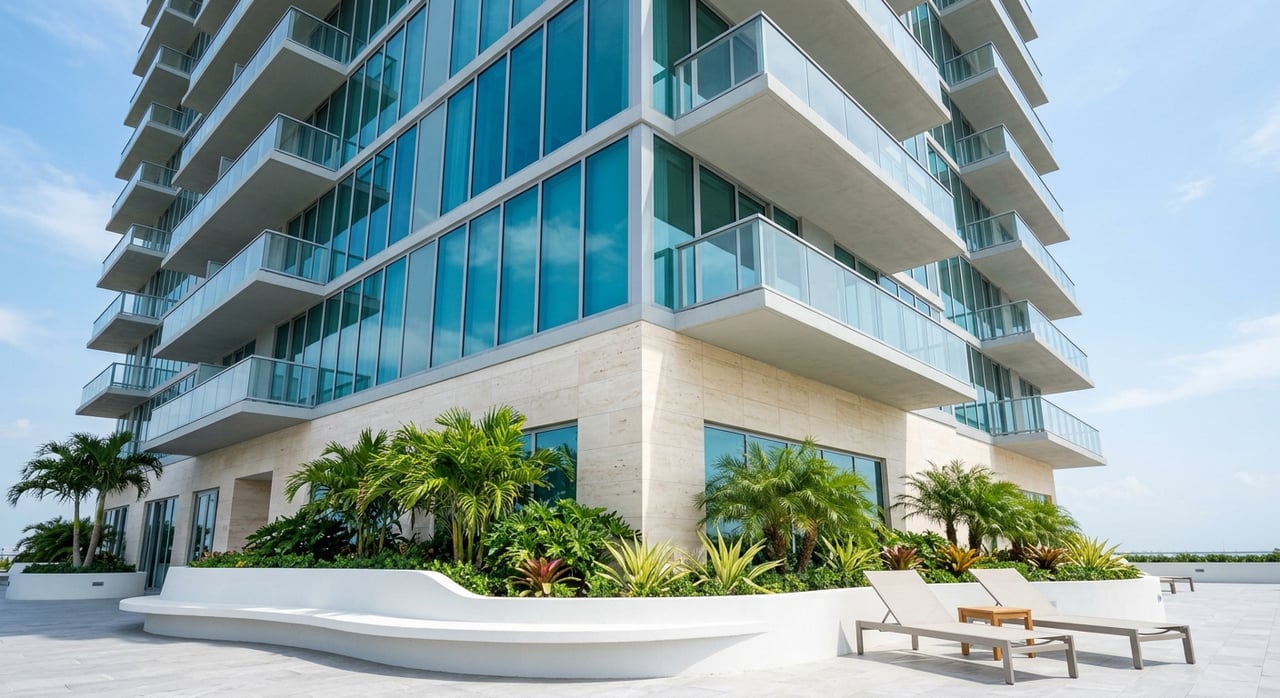
If you are leaning toward a coastal condo, association records deserve close attention. Florida’s condo division says official records include governing documents, rules, meeting minutes, insurance information, leases or contracts, and structural integrity reserve studies.
That review can be just as important as the floor plan or the view. In a coastal tower, building rules, rental flexibility, insurance, and long-term maintenance planning can strongly affect whether the property matches your goals.
How to choose the right fit
When you relocate to Fort Lauderdale’s coastal neighborhoods, start with lifestyle before you narrow by address. Think about how often you want to be at the beach, whether you value walkability, how important boating access is, and how much you expect to drive.
A helpful checklist includes:
- Do you want an urban beachfront setting or a quieter residential street?
- Is proximity to Las Olas or downtown part of your ideal routine?
- Do you want canal, Intracoastal, river, or direct beach access?
- Will you live car-light, or do you expect to drive most days?
- Are you buying a condo, single-family home, second home, or investment property?
- Have you reviewed flood zone, insurance, and if applicable, condo records?
The more clearly you define your lifestyle goals, the easier it becomes to narrow Fort Lauderdale’s many coastal options. That is often the difference between finding a property you like and finding a neighborhood that truly fits.
Fort Lauderdale rewards buyers who look beyond the headline of “coastal living” and dig into the details of each micro-market. If you want help comparing waterfront homes, beach-area condos, or relocation options across Broward’s coastal corridor, Linda DiFabio can help you match the property to the lifestyle.
FAQs
What is the difference between Central Beach and Rio Vista in Fort Lauderdale?
- Central Beach is Fort Lauderdale’s more urban beachfront district, while Rio Vista offers a residential setting near the New River with convenient access to downtown, marinas, Las Olas, and the beach.
What should out-of-state buyers know about closing on a home in Broward County?
- Broward County requires recording fees and documentary stamp taxes, Florida documentary stamp tax on deeds is $0.70 per $100 of value, and remote closings are often possible when the lender and title company support remote online notarization.
Why is flood insurance important in Fort Lauderdale coastal neighborhoods?
- Broward’s flood maps were updated in 2024, coastal flood hazards can include storm surge, waves, and erosion, and flood insurance is separate from standard homeowners insurance.
What documents should condo buyers review in Fort Lauderdale?
- Florida condo association records can include governing documents, rules, minutes, insurance, leases or contracts, and structural integrity reserve studies.
Which Fort Lauderdale areas may work best for a car-light lifestyle?
- Homes closer to Central Beach, Las Olas, and downtown are generally the easiest for a car-light routine because of access to transit, shuttles, and walkable destinations.