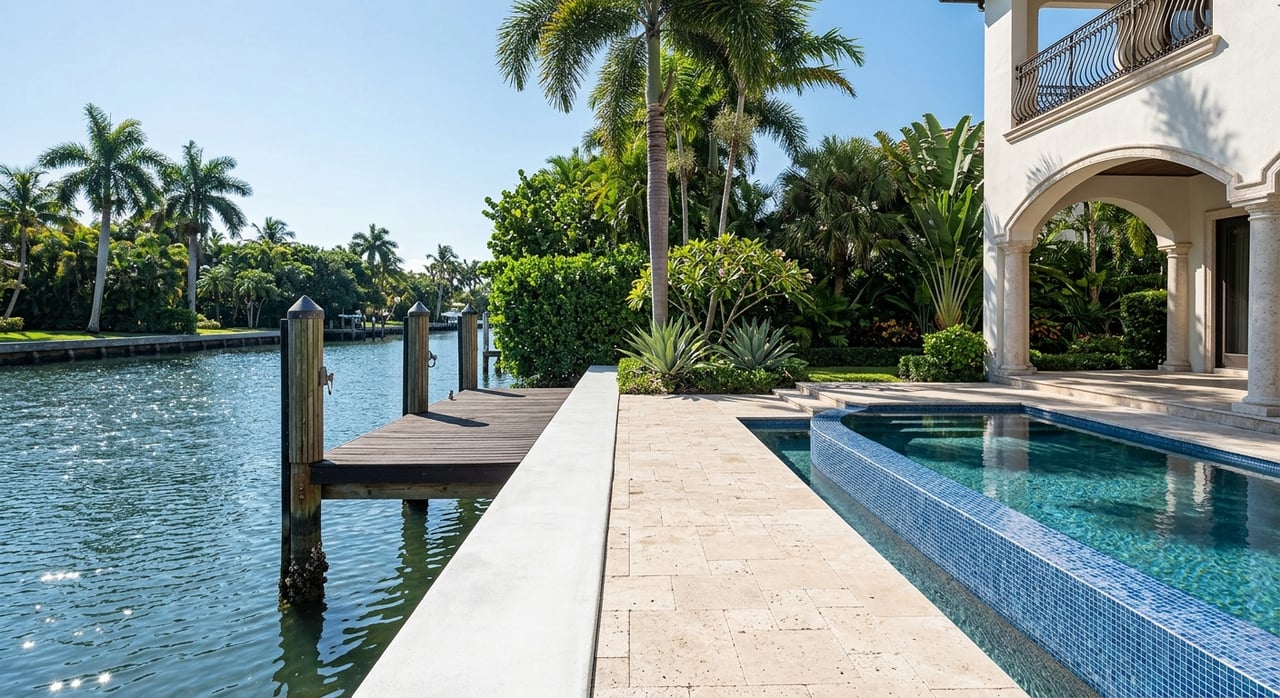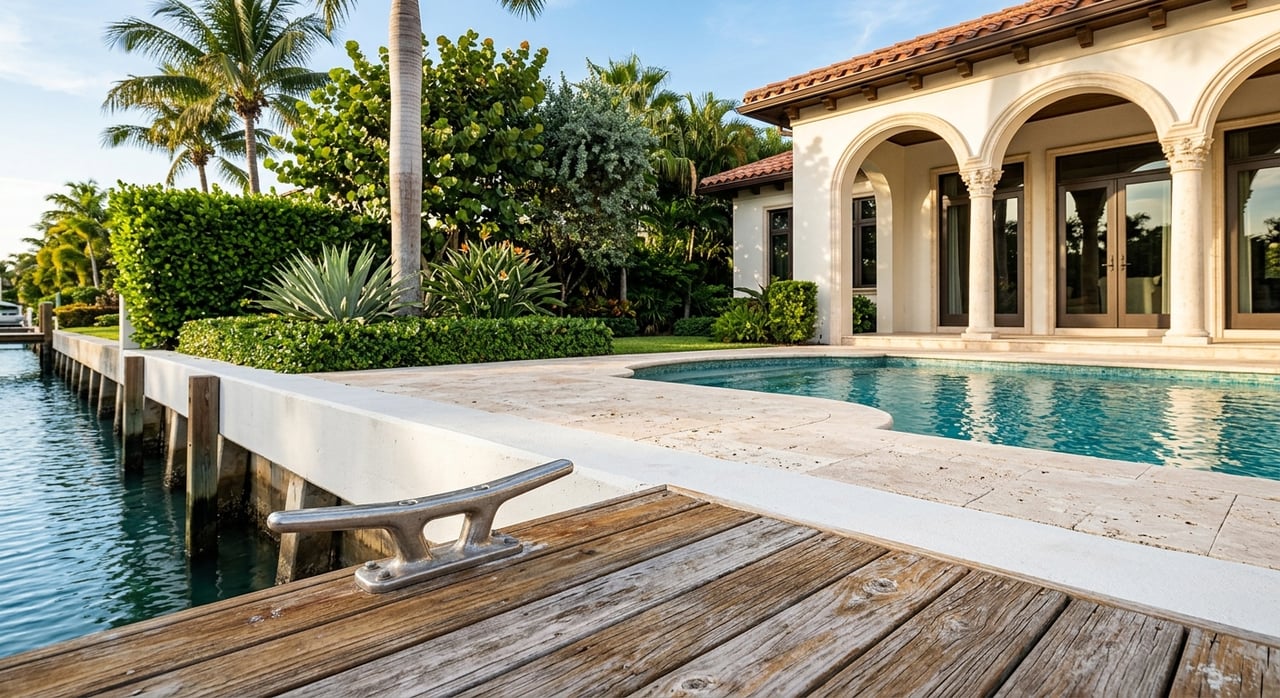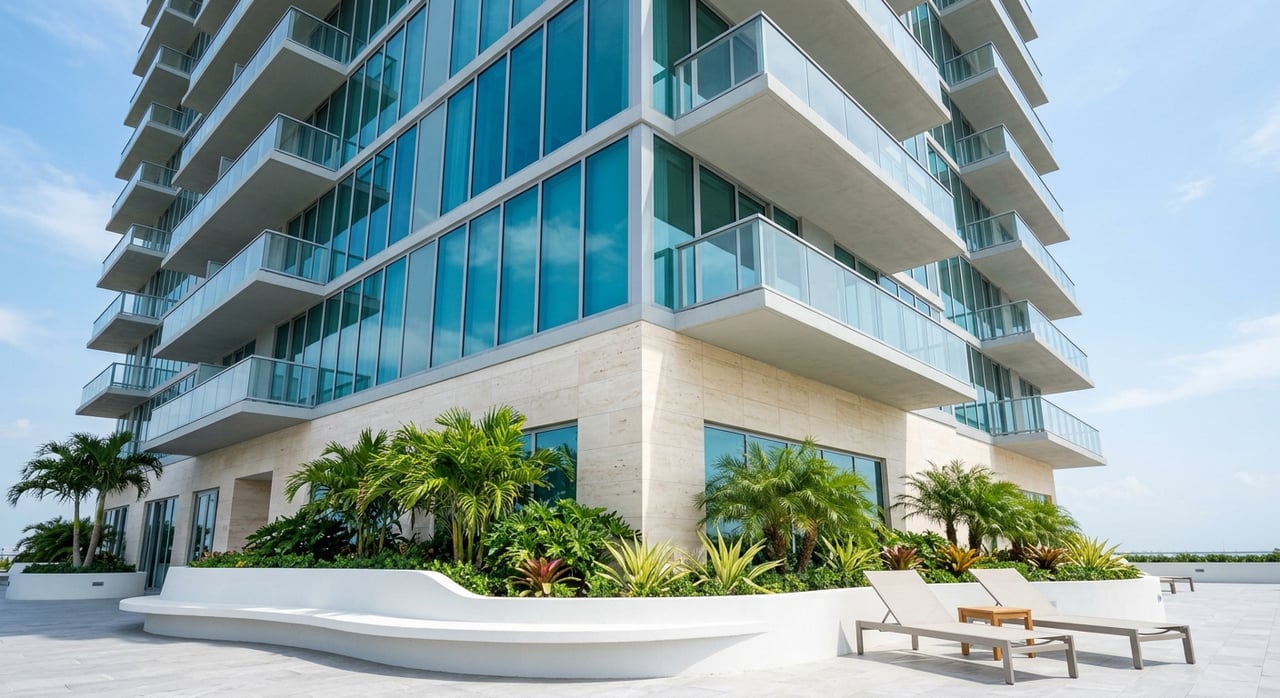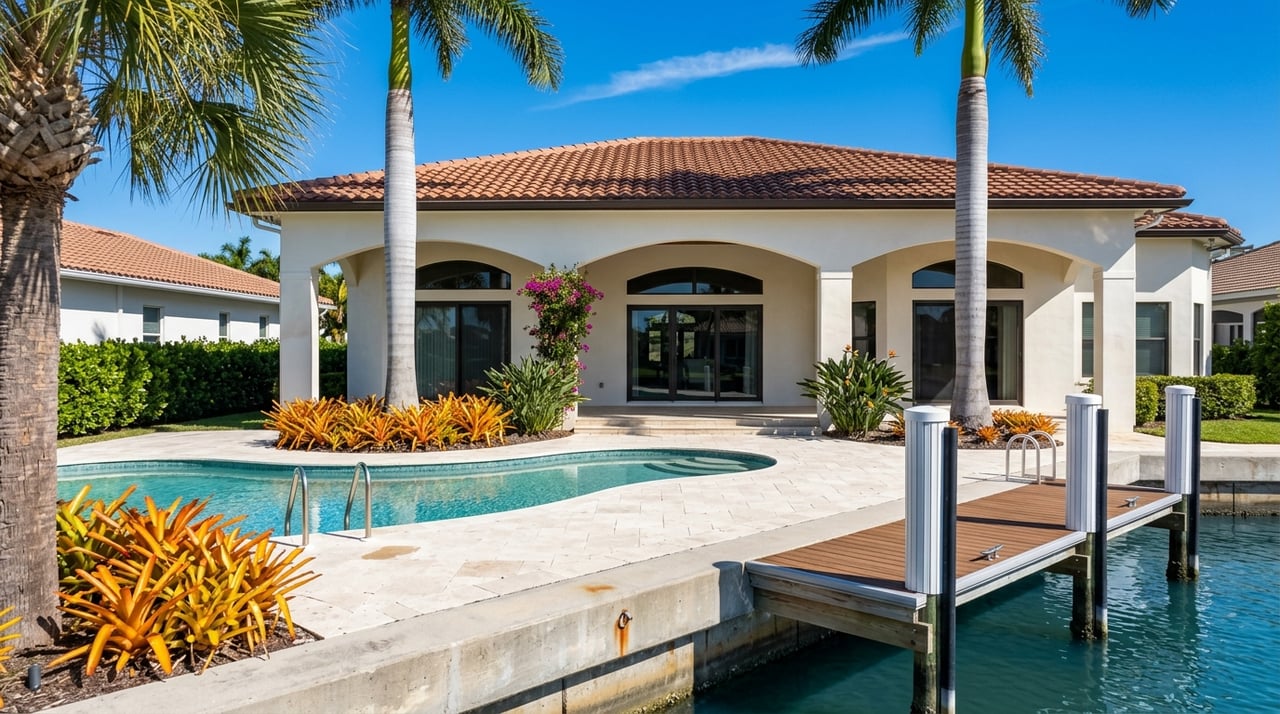
If you picture Fort Lauderdale as just a strip of sand, you are missing the bigger story. Living the coastal lifestyle here means choosing how you want to connect with the beach, the waterways, the boulevard, and downtown energy all at once. Whether you want walkable mornings by the ocean, dockside weekends, or a water-connected city feel, this guide will help you understand how Fort Lauderdale really lives day to day. Let’s dive in.
What Coastal Living Means Here
Fort Lauderdale’s coastal lifestyle is built around more than one shoreline experience. In the city, Ocean Rescue covers 3 miles of public beach, while the broader marine system highlights 165 miles of waterways, 3,000 hours of sunshine, and seven miles of beaches. Across Greater Fort Lauderdale, the coastline stretches to 24 miles with nine beach communities along the A1A corridor.
That matters when you are deciding where to live. Some buyers want to be steps from the sand, while others want canal access, marina convenience, or a neighborhood that connects easily to Las Olas and downtown. In Fort Lauderdale, coastal living is not one look or one pace.
Beach Access Is Part of Daily Life
In Fort Lauderdale, beach access is designed to be active and social. The city’s Central Beach Master Plan supports a pedestrian-friendly beach district with active uses, open space, and streetscape standards that make the area feel built for everyday use, not just occasional visits.
Public spaces reinforce that lifestyle. Fort Lauderdale Beach Park and Las Olas Oceanside Park offer features like walking paths, showers, waterfront gathering space, a playground, and a non-motorized boat ramp. If you live nearby, the beach can feel like part of your routine instead of a special outing.
Boating Is Woven Into the Culture
Fort Lauderdale’s identity is closely tied to life on the water. The Intracoastal is lined with marinas, waterfront restaurants, and nightspots, and the city’s marine facilities are designated Clean Marinas. That gives boating a visible role in everyday life, even if you are not leaving the dock every weekend.
The social calendar reflects that too. The Fort Lauderdale International Boat Show is known for having the world’s largest in-water presence of boats and marine exhibits. Here, boating is not a niche interest. It is part of the city’s rhythm.
Las Olas and Riverwalk Balance the Beach
A big reason Fort Lauderdale stands out is that the coastal experience continues inland. The city describes Las Olas Boulevard as a signature destination for fashion, dining, and entertainment, while Riverwalk anchors the arts, science, cultural, and historic district downtown.
For you, that means beach living does not have to feel isolated. You can spend the morning by the water, meet friends on Las Olas, and still enjoy a polished urban setting without leaving the coastal orbit.
Fort Lauderdale Coastal Pockets
Central Beach and North Beach
If you want a beach-first lifestyle, this is often where people start. The city’s planning for Central Beach supports a walkable, mixed-use district, and nearby parks make it easy to build your day around the ocean.
This area can feel the most resort-like and pedestrian-oriented. It also comes with practical considerations like parking, seasonal traffic, and event-day logistics. For many buyers, that trade-off is worth it for direct beach access and a lively public realm.
Las Olas Isles, Seven Isles, Nurmi Isles, and Colee Hammock
These neighborhoods tend to appeal to buyers who want a boat-and-boulevard lifestyle. The city’s Eastern Corridor vision treats the Beach, Colee Hammock, and The Isles as distinct character areas, with The Isles described as a relaxing walk that separates cars, bikes, and pedestrians more clearly.
Colee Hammock is noted by the city as having potential to serve as a year-round neighborhood center for residents. The city also completed utility undergrounding in Las Olas Isles, which points to continued public investment in the area’s appearance and resilience.
Harbor Beach, Lauderdale Beach, and Coral Ridge
If your idea of coastal living is more residential and a bit quieter, these areas may be a better fit. Harbor Beach and Lauderdale Beach are both officially recognized neighborhood associations, and Coral Ridge Country Club Estates is described by the city as an established, vibrant community on the Intracoastal Waterway.
The city’s Coral Ridge planning work focuses on safer and more comfortable walking, biking, and traffic-calming strategies. That suggests a more residential coastal feel compared with the busier beach-core districts.
Downtown, New River, and Riverwalk
Not every coastal buyer wants to live directly on the sand. Downtown, New River, and Riverwalk offer an urban-coastal option where water views, restaurants, culture, and transit access all play a role.
The city’s New River docking places boaters within walking distance of shops and sidewalk cafés. Brightline and local mobility options also make this pocket appealing if you want convenience and connectivity along with a waterfront setting.
Getting Around the Coast
Beach Parking Matters
In Fort Lauderdale, parking is part of the lifestyle equation. The city’s Residential Beach Parking Permit allows residents to park at Fort Lauderdale Beach Park, North Beach meters, and Las Olas Garage. Visitor meter rates are listed at $4 per hour.
That may sound like a small detail, but it shapes how you use the beach week to week. If you plan to spend a lot of time by the water, understanding parking access can make a real difference in day-to-day ease.
Free Local Transit Helps
LauderGO! adds flexibility for short trips around the city. The system includes five shuttle routes, a Water Trolley with eight New River stops, and a Micro Mover serving Downtown, Las Olas, and the Beach.
The shuttle network includes Beach Link, Las Olas Link, and Downtown Link. The Micro Mover also connects with Broward County Transit, the Fort Lauderdale Tri-Rail station, and the city shuttle network, which can reduce the need for a car on shorter local trips.
Regional Access Is Strong
Fort Lauderdale’s coastal lifestyle also works well for people who move around South Florida often. Tri-Rail’s Fort Lauderdale Station is at 200 SW 21st Terrace, and the Fort Lauderdale Airport Station in Dania Beach offers a complimentary shuttle to Fort Lauderdale-Hollywood International Airport during train operating hours, about every 15 to 20 minutes.
Brightline’s downtown Fort Lauderdale stop connects the city with downtown Miami and West Palm Beach. That regional access helps make Fort Lauderdale feel connected, not cut off.
The Social Side of Coastal Living
Las Olas Is an Everyday Destination
Las Olas Boulevard plays a major role in the local lifestyle. It is known for boutiques, galleries, specialty stores, sidewalk cafés, and restaurants, and the city identifies it as a key destination for fashion, dining, and entertainment.
For many residents, this becomes part of the weekly routine. Coastal living here often includes brunch, dinner, shopping, and people-watching just as much as beach time.
Waterfront Convenience Adds Value
Fort Lauderdale feels more like a livable waterfront city than a one-note beach town. Galleria Fort Lauderdale sits between A1A and U.S. 1 and is described as steps from the beach, with shopping, dining, and boat access.
On the New River, downtown docking places boaters within walking distance of shops and sidewalk cafés. That blend of water access and urban convenience is part of what makes the city stand out.
Water-Based Events Shape the Calendar
The boating culture stays visible year-round. Water Taxi operates with more than 30 stops across Fort Lauderdale, Pompano Beach, and Hollywood, while the city’s Water Trolley adds another way to move along the river.
Add major events like the Fort Lauderdale International Boat Show, and the waterfront becomes part of the social calendar. Even if you are not a boat owner, you still feel the energy of a city built around the water.
Which Coastal Lifestyle Fits You?
Choosing the right Fort Lauderdale coastal pocket often comes down to how you want to spend your time.
- Beach-first and walkable: Central Beach, North Beach, and Lauderdale Beach
- Boat-first and boulevard-connected: Las Olas Isles, Seven Isles, Nurmi Isles, and Colee Hammock
- Quieter residential coastal: Harbor Beach and Coral Ridge
- Urban-coastal and transit-friendly: Downtown, New River, and Riverwalk
The best fit is not only about the property. It is about how you want your day to flow, how often you want beach access, and whether boating, walkability, dining, or transit convenience matters most to you.
Fort Lauderdale gives you more than one version of coastal living, which is exactly why so many buyers are drawn to it. If you want help narrowing down which neighborhood matches your lifestyle goals, Linda DiFabio can help you find the right fit with local insight and a personalized approach.
FAQs
What does the coastal lifestyle in Fort Lauderdale include?
- It includes beach access, boating culture, walkable districts like Central Beach and Las Olas, waterfront dining, and urban-coastal areas such as Riverwalk and Downtown.
Which Fort Lauderdale areas are best for walkable beach living?
- Central Beach, North Beach, and Lauderdale Beach are often the strongest fit for buyers who want a beach-first and walkable lifestyle.
Which Fort Lauderdale neighborhoods fit a boating lifestyle?
- Las Olas Isles, Seven Isles, Nurmi Isles, and Colee Hammock are commonly associated with a boat-first, waterfront-connected lifestyle.
How does beach parking work in Fort Lauderdale?
- The city offers a Residential Beach Parking Permit for Fort Lauderdale Beach Park, North Beach meters, and Las Olas Garage, while visitor meters are listed at $4 per hour.
What transit options support coastal living in Fort Lauderdale?
- LauderGO! provides free local mobility with shuttle routes, a Water Trolley, and a Micro Mover, while Tri-Rail and Brightline add regional access.
Is downtown Fort Lauderdale part of the coastal lifestyle?
- Yes. Downtown, New River, and Riverwalk offer an urban-coastal alternative with water access, restaurants, cultural destinations, and strong transit connections.